The Real Cost of Buying on Credit vs Saving Up First
Buy Now, Pay Later has made "get it now, pay later" feel completely normal in Nigeria, and it's easy to see why. You get the phone, the appliance, or the gadget today instead of waiting months to save the full amount. But convenience and cost are two different things, and understanding exactly what credit actually costs, versus what saving up first costs you in time, changes how obvious a "yes" to that installment plan really is.
Why Buying on Credit Has Exploded in Nigeria
Buy Now, Pay Later has grown into a genuinely massive part of how Nigerians shop. The market was valued at roughly $1.62 billion in 2025 and more recent estimates put it closer to $1.88 billion in 2026, a 20.6% increase in a single year, with projections putting it near $3.96 billion by 2031. This isn't a niche product anymore, major platforms like Jumia have formalized partnerships with providers such as EasyBuy and CredPal to embed installment payments directly at checkout, and newer entrants keep expanding the space, including a multi-bank checkout option launched by fintech Klump on Jumia in mid-2026.
The appeal is straightforward: you get the item now while preserving whatever cash or emergency fund you have, the approval process is faster and less demanding than a traditional bank loan, no collateral, no guarantor, and often approved within thirty minutes, and providers assess eligibility based on your bank account activity rather than requiring formal payslips, which opens access to people who wouldn't qualify for conventional credit.
What Buying on Credit Actually Costs
This is where the real comparison starts, because "buy now, pay later" doesn't mean the same thing across every provider, and the actual cost varies enormously depending on which one you use and how you use it.
Some options genuinely are interest-free when managed correctly. Carbon's Zero plan and CredPal's short-term 30-day pay-later option charge no interest if you repay on schedule, making them, in principle, cheaper than any personal loan product on the market for that specific short window. But most BNPL products beyond that free window carry real, ongoing costs. CredPal's standard credit card plan charges 7% interest per month on the facility used, alongside a modest annual platform fee. Its Premium tier drops that to 4% monthly, with a higher annual fee, and its Prestige tier goes as low as 1.5% a month but carries a considerably steeper annual service charge. EasyBuy, which requires a minimum 30% down payment, structures its rates by loan length, a three-month plan carries 9% interest while a six-month plan carries 6%, both applied over the life of the loan rather than as a one-time fee.
It's worth pausing on what "7% a month" or "9% over three months" actually means in practice, since these numbers sound small in isolation but compound into a meaningfully higher total cost than the sticker price. A ₦180,000 phone bought on a six-month installment plan, once interest is factored in, ends up costing noticeably more than ₦180,000 by the time the final payment is made, even though the monthly amount feels manageable in the moment.
The Hidden Layer: Merchant Fees and Management Charges
Beyond the interest rate you see as a customer, BNPL providers typically charge the retailer a fee too, generally between 2% and 8% of the transaction value, in exchange for offering the installment option at checkout. This cost doesn't disappear, it's frequently built into the retail price you're quoted in the first place, meaning even a "zero interest" BNPL purchase can sometimes carry a slightly inflated sticker price compared to what the same item might cost if you paid the full amount upfront in cash.
This is worth checking specifically: ask or compare whether the cash price and the BNPL price for the same item are actually identical. If they're not, that gap is effectively a cost of buying on credit, even if no separate "interest" line item shows up anywhere.
What Saving Up First Actually Costs You
The cost of saving up first isn't measured in interest, it's measured in time and, for some purchases, in the risk of prices rising before you've saved enough. If you're saving toward a ₦180,000 phone and setting aside ₦30,000 a month, that's six months of waiting before you can buy it, compared to walking out of the store with it today on an installment plan.
But that waiting period isn't purely a downside. Money you're setting aside during those six months, if placed somewhere earning interest, a fixed deposit or money market fund rather than sitting idle, is actually growing during the wait, partially offsetting the "cost" of delay. And crucially, at the end of those six months, you own the phone outright with no ongoing payment obligation and no interest paid at all, compared to the BNPL route where you may have paid several thousand naira in interest on top of the original price by the time the plan concludes.
The real risk with saving up first is price inflation, if the item you're saving for is likely to get meaningfully more expensive before you've saved enough, waiting has its own cost that needs weighing against the interest you'd pay to buy now instead.
A Direct Comparison
Take that same ₦180,000 phone as an example. Buying outright today, once you've saved the full amount, costs exactly ₦180,000, nothing more. Buying on a six-month EasyBuy plan at roughly 6% interest over the term adds real cost on top of the ₦180,000 base price, on top of whatever down payment structure applies. Buying on a CredPal Standard plan at 7% monthly, if the balance isn't cleared quickly, compounds further the longer it's carried, since that rate applies to whatever facility remains in use each month.
The exception that flips this comparison is a genuine interest-free short-term plan used exactly as intended, paid off fully within the free window. In that specific case, credit can functionally cost the same as saving up first, while still giving you the item immediately rather than making you wait. The catch is discipline: this only stays true if you actually clear the balance within the interest-free period, which is precisely where many BNPL users run into trouble.
Where Credit Genuinely Makes Sense
Buying on credit isn't automatically the wrong choice. It makes the most sense for productive assets you need immediately and can't reasonably delay, a work laptop that's directly generating income, a professional course with a tight enrollment deadline, or a genuinely time-sensitive purchase, provided the specific plan's real cost, interest, fees, and any price markup, is fully understood before committing. It also makes sense for spreading a large, unavoidable cost into manageable monthly amounts when the alternative would be draining an emergency fund down to nothing for a single purchase.
Consistent, on-time repayment on BNPL plans is also reported to Nigerian credit bureaus, meaning responsible use can build a credit history that improves access to larger loans down the line, a genuine long-term benefit that saving up first doesn't offer on its own.
Where Saving Up First Wins Clearly
For anything that isn't urgent, entertainment purchases, upgrades that aren't strictly necessary, or items where a few months' delay costs you nothing meaningful, saving up first almost always comes out ahead financially. You avoid interest entirely, you avoid the risk of a marked-up BNPL sticker price, and you avoid the discipline risk of missing a repayment date, which triggers penalty charges on most plans and can damage your credit standing rather than build it.
The Discipline Trap Behind Both Options
The genuine danger with BNPL isn't the interest rate on any single plan, it's treating easy access to credit as free money rather than a real financial obligation, then running multiple plans simultaneously without the income to comfortably support all of them at once. Data on Nigerian BNPL borrowers shows a significant share earn relatively modest monthly incomes, underscoring how easily installment payments can stack up against a tight budget if taken on carelessly. The safest practice, if using BNPL at all, is avoiding more than one active plan at a time unless your income clearly supports both, and always confirming the full repayment amount, schedule, and penalty terms before agreeing to anything.
The Bottom Line
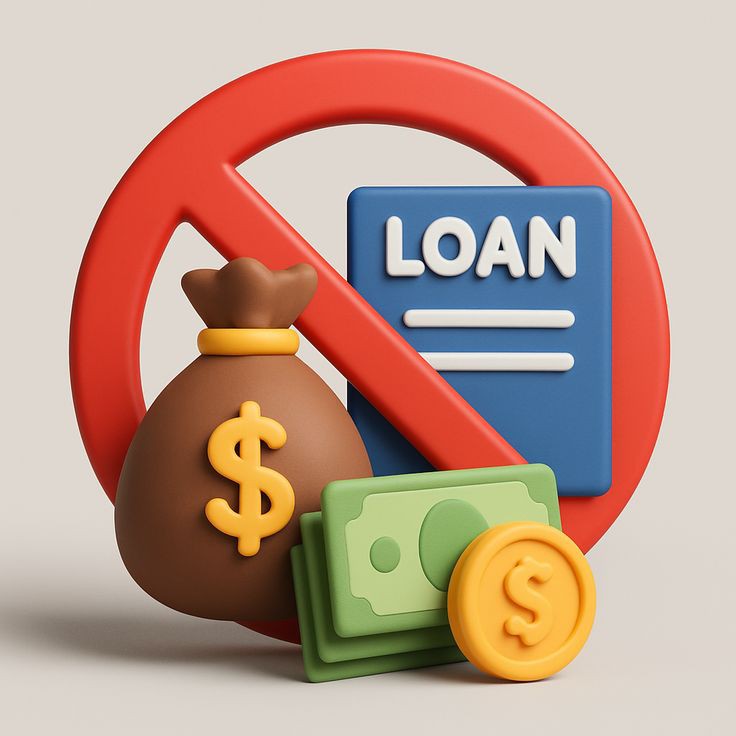
Buying on credit costs real money in the vast majority of cases, whether through stated interest, an inflated sticker price built around merchant fees, or both, and that cost only disappears if you're using a genuinely interest-free plan and repaying it exactly on schedule. Saving up first costs you time and, occasionally, exposure to rising prices, but it guarantees you pay exactly the sticker price and own the item outright with nothing owed. Before choosing either path, work out the actual total cost of the specific credit plan on offer, not just the advertised monthly payment, and weigh that honestly against how much waiting would genuinely cost you. Most of the time, for anything that isn't urgent, that comparison favors patience.