How to Build Multiple Income Streams Without Burning Out
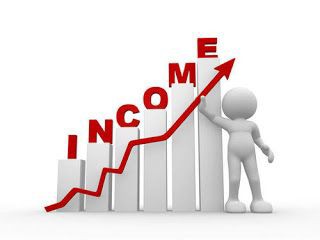
"Diversify your income" has become one of those pieces of advice repeated so often it's almost lost its meaning, thrown around in every finance conversation without much attention to how genuinely difficult it is to actually do well. The idea itself makes sense, relying on a single income source in Nigeria's current economy is risky, but the execution is where most people struggle. Piling on side hustle after side hustle without a plan doesn't build financial security, it just builds exhaustion. Here's how to actually build multiple income streams in a way that adds real value instead of running you into the ground.
Why One Income Stream Feels Increasingly Risky
Relying entirely on one job or one business means your entire financial life is tied to one employer's stability, one industry's health, or one client relationship. Layoffs happen, industries shift, and inflation quietly erodes a single salary's purchasing power year over year. Multiple income streams exist to reduce that fragility, if one source slows down or disappears, you're not left starting completely from zero.
But there's an important distinction between building genuine financial resilience and simply spreading yourself so thin that none of your income streams actually thrive, and burnout eventually forces you to drop all of them at once.
The Mistake Most People Make: Starting Everything at Once
A common pattern looks like this: someone decides to diversify their income, and within a month they've started freelancing, begun reselling products online, signed up for a content creation attempt, and taken on a small side business, all simultaneously, on top of an already demanding full-time job. Within a few months, exhaustion sets in, none of the ventures have had enough focused time to actually gain traction, and the whole plan collapses under its own weight.
Building multiple income streams sustainably almost always means building them sequentially, not simultaneously, giving each one enough focused attention to actually establish itself before adding the next.
Step One: Get Genuinely Clear on Your Available Time and Energy
Before starting anything new, take an honest look at your actual schedule, not an idealized version of it. How many real, sustainable hours do you have outside your primary income source, accounting for rest, family obligations, and existing responsibilities? Overestimating available time is one of the fastest paths to burnout, because it sets you up to chase a schedule your actual life can't support.
Step Two: Choose a Second Income Stream That Complements Your Existing Skills or Schedule
The easiest additional income streams to sustain are ones that either build on skills you already have, requiring less of a learning curve, or fit naturally into time you already have available, rather than competing directly with your primary job's peak hours. A skill-based freelance service related to your existing expertise, for example, generally requires less energy to start and maintain than an entirely unrelated venture built from scratch.
Step Three: Build One Stream to Stability Before Adding Another
"Stability" doesn't mean it has to be massively profitable, it means it has a predictable rhythm, you know roughly how much time it requires weekly and roughly what income it generates, without constant, exhausting reinvention. Once a stream reaches that point, it requires far less active energy to maintain, freeing up capacity to thoughtfully add a third stream if you choose to, rather than juggling multiple unstable, high-effort ventures at once.
Recognizing the Warning Signs of Burnout Before It Fully Hits
Burnout rarely arrives suddenly, it builds gradually, and catching the early signs matters more than trying to push through once it's already taken hold:
- Constant fatigue that doesn't improve with normal rest, feeling tired even after a full night's sleep or a weekend off.
- Declining quality across all your income streams simultaneously, missed deadlines, careless mistakes, or work that used to feel easy now feeling draining.
- Resentment toward work that used to feel enjoyable or at least neutral, a sign that your capacity has been stretched past what's sustainable.
- Neglecting basic health habits, sleep, meals, exercise, consistently in favor of squeezing in more work.
- Feeling like you have no actual downtime, every spare hour is accounted for by some income stream, with nothing left for rest or relationships.
If you notice several of these building up, that's a signal to scale back one stream rather than pushing through and risking a complete burnout that could cost you all of them at once.
Passive vs Active Income Streams, and Why the Mix Matters
Not all income streams demand the same ongoing time investment. Active income, freelance work, a side business requiring your direct involvement, trades your time directly for money. Passive or semi-passive income, rental income, dividends, a product that sells with minimal ongoing effort, digital content that continues earning after the initial work is done, requires significant upfront effort but less continuous time afterward.
A sustainable multiple-income strategy usually benefits from a mix, rather than stacking several active income streams that all compete equally for your limited hours and energy. Building even one semi-passive stream alongside your active ones can meaningfully reduce the total time burden as your income diversifies.
Protecting Your Primary Income Stream Throughout
Whatever additional income streams you build, they shouldn't come at the cost of underperforming in your primary job or main income source, since that's usually still your most stable and significant income foundation. Side income is meant to add resilience, not replace stability with fragility across the board. If a secondary stream starts genuinely threatening your performance or reliability at your primary income source, that's a sign to scale it back rather than push forward.
The Long-Term Payoff of Doing This Sustainably
Multiple income streams built thoughtfully, one at a time, with realistic boundaries around your actual capacity, genuinely do provide more financial security over the long run. But that security only materializes if the streams themselves are sustainable enough to still exist a year or two later, rather than a burst of ambitious activity that collapses within months from exhaustion. Slow, deliberate diversification beats rapid, unsustainable expansion nearly every time, even though the slower path rarely gets celebrated the way overnight hustle stories do.