Starlink and Satellite Internet in Nigeria: What It Means for You
If you have ever lost your mobile network in the middle of an important video call, or lived somewhere that fibre has never reached, you have probably heard the same suggestion from a friend: "Just get Starlink." A few years ago, that sounded like something from a science fiction film. Today, satellite internet is a real option that thousands of Nigerians already use at home, in offices, on farms and at remote sites.
But is it right for you? Is it fast? Is it worth the price? And what does it mean for the rest of us who depend on regular mobile data? This guide explains satellite internet in plain language, what Starlink offers in Nigeria, what it really costs, who benefits most, and how it compares with the options you already know.
What Is Satellite Internet?
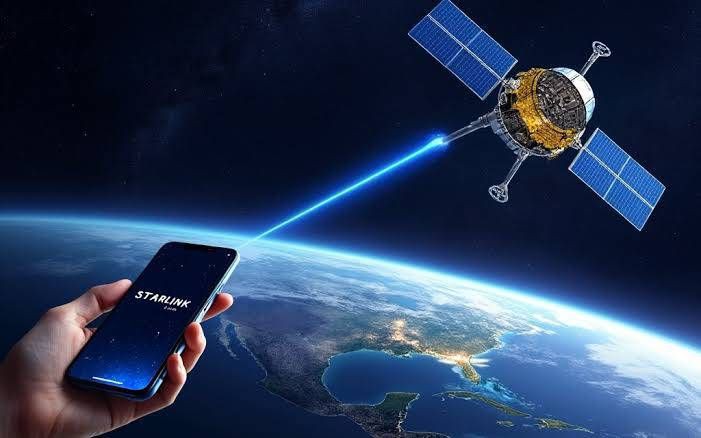
Satellite internet delivers your connection from space instead of through cables in the ground or towers on the street. A dish at your home talks to satellites overhead, and those satellites connect to ground stations that link to the wider internet.
The old satellite internet had a bad reputation. It was slow, expensive and often laggy, because those satellites sat very far from Earth. Newer systems like Starlink use thousands of smaller satellites that orbit much closer to the planet. Being closer means less delay, faster speeds and a smoother experience for video calls, streaming and everyday browsing.
What Is Starlink?
Starlink is a satellite internet service run by SpaceX. You buy a kit that includes a dish, a Wi-Fi router and the cables and mounting parts you need. You point the dish at the sky with a clear view, plug it into power, and connect your devices to the Wi-Fi it creates. You then pay a monthly subscription for the service.
Starlink began offering service in Nigeria in 2023, making it one of the early African markets for the company. Reports from industry trackers have suggested that it quickly became one of the larger internet providers in the country by subscriber count, which shows how much demand there is for connectivity that works where other options struggle.
How Satellite Internet Differs From What You Use Today
Mobile data (4G and 5G)
This is what most Nigerians use. Your phone connects to a nearby tower, and you buy data in bundles. It is convenient and works almost everywhere in towns and cities, but speed and reliability can vary depending on your location, the time of day and how many people share the same tower.
Fibre and broadband
Fibre uses cables to bring a fast and stable connection to your home or office. It is often the best option on price and speed, but only where the provider has laid cables. Many estates, towns and rural areas still have no fibre at all.
Fixed wireless
Some providers beam internet from a tower to a small antenna on your roof. It can be a decent middle ground, but it depends on being within range of the provider's tower.
Satellite internet
Satellite does not need a tower or cable near you. It only needs a clear view of the sky and power. That is its biggest advantage, and the reason it appeals to people in places where nothing else works well.
What Does Starlink Cost in Nigeria?
This is the question everyone asks, and the honest answer is that prices have changed more than once, and they may change again. Starlink bills in naira, but the pricing is closely tied to the dollar, so shifts in the exchange rate can affect what you pay.
As of reports published in mid 2026, the standard hardware kit was being quoted at around the high six hundred thousand naira range, with monthly residential plans starting from the mid fifty thousand naira range. Other plans, such as travel focused or business focused options, were priced differently, with business and priority plans costing noticeably more. Older sources list lower figures, which shows how much prices have moved over time.
Because of this, treat any number you read online, including the ones in this article, as a guide and not a promise. Always check the current price on the official Starlink website or app before you decide.
The real cost is more than the monthly fee
When you plan your budget, think about the total cost of ownership.
- The kit: A one-time purchase that is usually the biggest upfront expense.
- The monthly subscription: Ongoing, and usually higher than typical fibre plans.
- Delivery and installation: You may pay extra for shipping, a mount or a professional installer.
- Power backup: The system needs electricity, so many users add an inverter, power station or solar setup to stay online during outages.
- Cables and extensions: If your dish needs to sit far from your router, you may need longer cables or extra equipment.
Adding these up gives you a much more honest picture than looking at the monthly subscription alone.
How Fast Is Starlink?
Speeds vary depending on your location, the plan, the weather, any obstacles near your dish and how busy the network is. In general, users report speeds that are good enough for streaming in high quality, video calls, online classes, remote work and cloud backups. Delay is usually low enough for most video calls and many online games, although it is not the same as a direct fibre line.
Many plans are described as unlimited, but they often come with fair use rules, which means very heavy users may be slowed down during busy periods or after using a large amount of data. Always read the plan description so there are no surprises.
Where Starlink Makes the Most Sense
Rural and remote areas
If you live or work somewhere without fibre and with weak mobile signal, Starlink can be a game changer. Farms, villages, mining and construction sites, and remote schools or clinics are good examples.
Businesses that cannot afford downtime
Some businesses use satellite as a backup to their main internet line. If the main connection fails, the satellite link keeps the business running. For offices, shops, cafes and service providers, this can protect revenue.
Remote workers and freelancers
If you work with international clients, join long video meetings or upload large files, a stable connection is worth a lot. A reliable link can be the difference between winning and losing a project.
Estates and homes outside fibre coverage
Plenty of residential areas in big cities still do not have fibre. In those places, Starlink can offer a more consistent connection than shared mobile data.
Travel and temporary setups
Some plans and smaller kits are designed for portability, which suits events, filming crews, field work and people who move between locations.
When Starlink May Not Be the Best Choice
Starlink is impressive, but it is not for everyone. Think twice if any of these describe you.
- Fibre is available at your address. Fibre is usually cheaper for similar or better speeds.
- Your budget is tight. The upfront cost and monthly fee are a big commitment compared with a mobile data plan.
- You have no clear view of the sky. Tall buildings, thick trees and other obstructions can interrupt your connection.
- You cannot keep the dish powered. Without reliable electricity or a backup, you may lose service often.
- You only need internet on your phone. A good mobile data plan may be all you need, and much cheaper.
How Starlink Compares With Mobile Data for Everyday Users
For most Nigerians, mobile data remains the main way to get online, and that is unlikely to change soon. Mobile networks serve hundreds of millions of connections nationwide, and 4G is still the most common technology, with 5G growing slowly in major cities.
Starlink is not trying to replace the phone in your pocket. It is more of a premium home and business connection. If you mostly use your phone for WhatsApp, social media and the occasional video, a good data plan will serve you well at a much lower cost. If you share a connection with many people, run a business or need steady speeds for work, satellite can be worth considering.
What Satellite Internet Means for the Rest of Us
Even if you never buy a dish, satellite internet can still affect you.
More competition
When a new type of provider enters the market, existing networks and internet providers feel pressure to improve their service and think carefully about pricing. More choice is usually good news for customers.
Better coverage in underserved places
Satellite can reach communities that traditional networks have struggled to serve because of cost or distance. Over time, that can bring more schools, clinics and small businesses online.
New opportunities
Reliable internet in more places means more people can work remotely, run online businesses, take online courses and access digital services. That can create jobs and income far from the big cities.
A backup for important services
Banks, shops, offices and service providers can use satellite links as a fallback so that payments, orders and deliveries keep going during outages.
More Players Are Coming
Starlink is not the only company working on satellite internet. Other providers have been developing their own services, and some have been moving through licensing and approval steps in Nigeria. Amazon's satellite internet project, for example, was reported to have received regulatory approval in 2026, with services expected to begin later. Timelines can slip, so do not count on a specific launch date, but the direction is clear: more competition is on the way.
That could eventually mean lower prices, more plan options and better service. It is a good reason not to rush into a long commitment without comparing what is available when you are ready to buy.
How to Get Started With Starlink in Nigeria
If you decide satellite internet is right for you, here is a simple way to approach it.
Step 1: Check availability at your location
Use the official Starlink website or app to enter your address and see whether service is available and whether there is capacity in your area.
Step 2: Choose the right plan
Compare the residential, travel and business plans. Think about how many people will use it, what you will use it for, and whether you need priority speeds.
Step 3: Order from an official or trusted source
Buy through the official channel or a reputable seller. Be careful with random online sellers, because fake listings and inflated prices exist.
Step 4: Pick the right spot for the dish
The dish needs a clear view of the sky, free of trees, buildings and other obstacles. A good location makes a big difference to your speed and reliability.
Step 5: Plan your power backup
Decide how you will keep the system running during outages. An inverter or power station can keep you connected when the grid goes down.
Step 6: Set up and test
Follow the setup instructions, connect your devices, and run a few speed and call tests at different times of day to confirm it meets your needs.
Smart Tips Before You Buy
- Check the current price. Prices change, so confirm on the official site or app.
- Read the data and fair use terms. Understand what "unlimited" means for your plan.
- Plan for power. Budget for a backup so you are not offline whenever the lights go out.
- Test your location first. Use the official tools to check for obstructions before you buy.
- Watch out for scams. Avoid sellers who ask for payment into personal accounts or offer prices that seem too good to be true.
- Keep your mobile data as a backup. Even Starlink users keep a mobile plan for when something goes wrong.
- Think about sharing the cost. Some neighbours, offices or small businesses split the cost, though you should check the rules of your plan first.
Common Myths About Starlink
Myth 1: It works perfectly everywhere, all the time
It works very well in many places, but obstructions, heavy weather, local capacity limits and power problems can all affect your experience.
Myth 2: It is the same as mobile data
It is a different type of service, with a dish and router at your location, and usually a higher cost than a phone data plan.
Myth 3: It will make mobile data obsolete
Not anytime soon. Mobile networks serve most Nigerians and will remain the main way people connect, especially on phones.
Myth 4: The price will never change
Prices have moved before and can move again, especially when the exchange rate shifts.
Myth 5: Anyone can just plug it in anywhere
You still need a clear view of the sky, a power source and a location where service is available.
Frequently Asked Questions
Is Starlink available across Nigeria?
Starlink has been expanding coverage, but availability and capacity can differ by location. Check your exact address on the official website or app.
How much does Starlink cost in Nigeria?
You pay for the hardware kit once, then a monthly subscription. Prices have changed over time and depend on the plan, so confirm current figures before ordering.
Is Starlink faster than my mobile data?
Often it is more consistent, and it can be faster than a crowded mobile connection, but results depend on where you live and how you compare it.
Do I need electricity to use it?
Yes. The dish and router both need power, so many users add an inverter, power station or solar backup.
Can I use Starlink on the move?
Some plans and kits are designed for portability, but rules and availability vary, so check the details for the plan you choose.
Is there a data cap?
Many plans are described as unlimited, but they may include fair use policies. Read the terms for your plan.
Is it worth it for a small business?
It can be, especially if downtime costs you money or fibre is not available. Compare the total cost with the value of staying online.
Will other satellite providers come to Nigeria?
Other companies are working on similar services, and some have been moving through regulatory approvals. Launch dates can change, so check for updates before making long term plans.
Final Thoughts
Satellite internet has moved from a distant idea to a real option for Nigerians. For people in places that fibre and strong mobile networks have not reached, and for businesses that cannot afford to go offline, Starlink can be a powerful tool. For most everyday users, though, a good mobile data plan is still the most practical and affordable way to stay connected.
The smartest approach is to match the technology to your needs. Work out what you will use the internet for, check what is available at your exact location, count the full cost including power backup, and compare options before you commit. As more providers arrive and prices evolve, you will have even more choice, and the best deal will keep changing. Stay informed, stay practical and choose the connection that genuinely fits your life.
Written by
The ZamoraxPay Team
Comments
Loading comments...