Digital Dollar Accounts and Cards: What Nigerians Should Know

You want to pay for a software subscription, buy a course from an overseas website, run Facebook ads, book a hotel or pay school fees abroad. You reach the checkout page, enter your naira card details, and the payment fails. Sound familiar? For years, this has been one of the most annoying parts of living and working in Nigeria with an online life that reaches beyond the country.
That frustration is a big reason why dollar accounts and virtual dollar cards have become so popular. They let you hold, receive and spend dollars without leaving your phone. But they also come with fees, rules and risks that many people only discover after something goes wrong.
This guide explains digital dollar accounts and cards in plain language: what they are, how they work, what recent rule changes mean for you, how to pick a provider safely, and the mistakes to avoid.
What Is a Digital Dollar Account?
A digital dollar account is an account that holds money in US dollars instead of naira, and that you can manage through an app or website. There are two main kinds, and people often mix them up.
A domiciliary account with a bank
A domiciliary account, often called a "dom account", is a foreign currency account opened with a licensed Nigerian bank. Your money sits in dollars, and the bank is directly responsible for it. Many banks now let you open one through their mobile app, and some allow you to do it without visiting a branch.
A dollar wallet with a fintech app
Some fintech apps let you hold a dollar balance in a wallet. These apps usually work with licensed banks or financial institutions behind the scenes, but the experience is mainly through the app. Features, limits and protections can differ a lot from one provider to another, so it is important to understand who actually holds your money.
What Is a Virtual Dollar Card?
A virtual dollar card is a digital card, with a card number, expiry date and security code, that you create inside an app. It has no plastic version, and you use it for online payments. You fund it with naira or with dollars, and then spend the dollar balance on international websites and services.
Many people use virtual dollar cards for:
- Streaming and software subscriptions
- Online courses and learning platforms
- Advertising on social media platforms
- Web hosting, domain names and design tools
- Shopping on overseas stores
- Freelance and business tools
The big appeal is speed. You can create a card in minutes from your phone, fund it, and use it the same day.
Dollar Account vs Virtual Dollar Card: What Is the Difference?
Think of the account as the place where your money lives, and the card as a tool you use to spend it. Some apps offer both together, while a bank domiciliary account may come with a separate card, either physical or virtual.
- Dollar account: Best for holding dollars, receiving payments from abroad and keeping savings in a more stable currency.
- Virtual dollar card: Best for spending online, because it is quick to create and easy to fund.
Why So Many Nigerians Want Dollar Accounts and Cards
International payments work more smoothly
Naira cards can face limits or declines on foreign websites. A dollar card is processed in dollars, which often avoids those problems.
Freelancers and remote workers get paid in dollars
If you work with international clients, you need a way to receive dollars and decide when to convert them, instead of being forced to convert immediately at whatever rate is offered.
Protection against currency swings
Prices in Nigeria often move with the exchange rate. Some people keep part of their savings in dollars so that the value does not shrink as quickly when the naira weakens. This is not guaranteed to protect you, because exchange rates can move in either direction, but it explains the interest.
Travel and study abroad
Students, travellers and families paying overseas fees need a reliable way to spend foreign currency.
Business needs
Importers, online sellers and digital businesses often pay suppliers, tools and advertising platforms in dollars.
What Recent Rule Changes Mean for You
Foreign exchange rules in Nigeria have changed several times in recent years, and 2026 has brought more updates. This is one reason you should always check the latest information instead of relying on old advice.
The Central Bank of Nigeria released a new Foreign Exchange Manual in 2026. According to reports on the changes, it gives holders of ordinary personal domiciliary accounts unrestricted access to the funds in those accounts, and it removed the requirement to use Form A for remittances funded directly from a personal domiciliary account. This is meant to reduce paperwork and delays. Reports also say the manual relaxed some rules for travellers on personal and business travel allowances.
Separate reports suggest the central bank has also adjusted how international money transfer companies pay out, with beneficiary payments being routed through naira settlement accounts at authorised banks. If you rely on a particular service to receive money from abroad, confirm with the provider how and in which currency you will actually be paid.
What this means for you: Rules can shift, and different providers may apply them differently. Before you open an account or fund a card, check the current terms with your bank or provider and look at official announcements from the central bank.
How to Choose a Safe Provider
This is the most important part. A great-looking app is not the same as a safe one. Use this checklist before you trust any provider with your money.
1. Check who is behind it
Is the provider a licensed bank, or a fintech working with a licensed bank or card issuer? Look for clear information about the company, its licences and its partners. If you cannot tell who holds your money, that is a warning sign.
2. Read the fees carefully
Common charges include card creation fees, funding fees, transaction fees, exchange rate markups, inactivity fees and fees for failed or declined payments. A provider may advertise a low or zero card fee, but then make money through a poor exchange rate. Compare the full cost, not just the headline fee.
3. Look at the exchange rate
When you fund a dollar card with naira, the rate used matters a lot. A rate that is slightly worse than the market adds up quickly on larger amounts. Check the rate before you confirm each top-up.
4. Understand the limits
Check the minimum and maximum funding amounts, how much a card can hold, daily and monthly spending limits and withdrawal rules. A card that looks perfect may not fit your needs if the limits are too low.
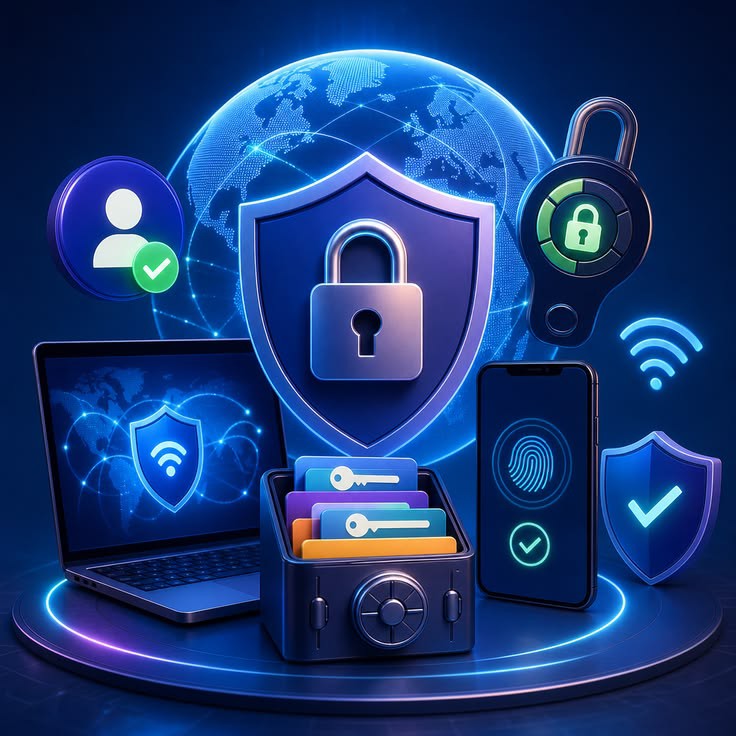
5. Check security features
Good providers offer two-factor authentication, instant card freezing, transaction alerts, the ability to delete or replace a card quickly, and clear dispute processes. These features can limit the damage if something goes wrong.
6. Test customer support
Before you move a large amount, check how support works. Is there a live chat, email or phone line? Do they respond promptly? Problems with money are stressful, and slow or absent support makes them worse.
7. Read real user feedback
Search for recent reviews and complaints, especially about declined payments, frozen accounts, delayed refunds and difficulty withdrawing. One or two complaints are normal, but a pattern is a warning.
8. Start small
Fund a small amount first, make a test payment and confirm everything works before you put in more.
How to Set Up a Virtual Dollar Card Step by Step
- Pick a provider after doing the checks above.
- Create your account using the official app or website.
- Complete verification. Expect to provide your BVN, NIN or another valid ID, because regulators require providers to know who their customers are.
- Fund your wallet with a bank transfer or another supported method.
- Create the card and choose how much to load onto it.
- Add the card details on the website or app where you want to pay, making sure the billing information matches what the provider tells you to use.
- Test with a small payment before relying on it for something important.
Why Virtual Card Payments Sometimes Fail
Even a working card can be declined. Here are common reasons.
- Insufficient balance, including not leaving room for fees or exchange differences.
- Billing address mismatch. Some merchants check the billing details closely.
- Unsupported merchant. Some websites block virtual or prepaid cards.
- Recurring payment problems. Subscriptions may fail if the card does not have enough money on the renewal date.
- Security triggers. A payment that looks unusual may be blocked automatically.
- Provider or network downtime. Temporary issues can cause declines that fix themselves later.
If a payment fails, check your balance, review the billing details and try again later before contacting support with the exact error message.
Common Mistakes to Avoid
Choosing only the provider with the lowest card fee
A cheap card can still be expensive if the exchange rate is poor or the other fees are high.
Keeping large amounts on a virtual card
A card is a spending tool. Load only what you need and keep the rest in a safer account.
Ignoring subscription renewals
Services that renew automatically can fail if your card is empty, and some may keep trying and add unexpected charges. Keep track of what is linked to your card.
Sharing card details carelessly
Anyone who has your card number, expiry date and security code can try to use it. Share these only on trusted websites, and delete or freeze the card if you suspect a leak.
Believing "guaranteed" exchange rate or investment promises
If someone offers dollars at an unusually good rate, or asks you to send naira for "dollar investments" with big returns, be very careful. This is a common pattern in scams.
Not keeping records
Save receipts, transaction references and screenshots, especially for business expenses and refunds.
Using unverified apps found through social media
Only download apps from official stores and check that the company is real. Fake apps and cloned pages exist.
Security Tips for Dollar Accounts and Cards
- Use a strong, unique password and switch on two-factor login.
- Never share your OTP, PIN or password, even with someone claiming to be from support.
- Turn on transaction alerts so you notice anything odd right away.
- Freeze or delete cards you are not using.
- Avoid public Wi-Fi when you log in or pay.
- Keep your phone's software and your apps updated.
- Use a separate card for subscriptions and another for one-off purchases, if your provider allows it.
Dollar Accounts and Taxes
Holding dollars does not remove your responsibility to be honest about your income. If you earn money from abroad, it may be subject to tax rules, and rules on foreign income and business can change. Keep clear records of what you earn and spend, and consider speaking with a qualified tax professional if your income is significant.
Risks You Should Understand
Exchange rate risk
The naira and the dollar can move in either direction. Converting at the wrong time can cost you money.
Provider risk
If a fintech has problems, your funds could be delayed or frozen. This is why it matters who holds your money and what protections exist.
Regulatory risk
Rules can change. A service that works today may change its terms, limits or availability tomorrow.
Fraud risk
Scammers target people who deal in foreign currency, offering fake rates, fake apps and fake investments. Verify everything.
Frequently Asked Questions
Do I need a domiciliary account to get a virtual dollar card?
Not always. Many providers let you fund a virtual dollar card from a naira account, but rules and options differ, so check your provider.
Are virtual dollar cards legal in Nigeria?
Virtual dollar cards offered by properly licensed institutions, or fintechs working with licensed partners, are widely used. Always confirm that your provider is legitimate and follow the latest central bank rules.
Is a virtual dollar card safer than a physical card?
It can be, because you can create it instantly, load a limited amount and delete it if something goes wrong. It still needs careful use and strong account security.
Why was my payment declined?
Common causes include low balance, mismatched billing details, merchant restrictions and temporary provider issues. Check the error message and contact support if it keeps happening.
Can I receive dollars from abroad into a dollar account?
In many cases yes, but how you receive them depends on the sender's method and your provider's rules. Ask your bank or provider how incoming payments are processed before relying on a particular route.
Is keeping money in dollars a safe way to save?
It can protect against some naira weakness, but exchange rates can move both ways, and there are provider and regulatory risks. Do not put all your savings in one place.
What fees should I watch for?
Card creation, funding, transaction, inactivity and failed payment fees, plus the exchange rate markup. Compare the total cost, not just one number.
What should I do if my card is compromised?
Freeze or delete it immediately, contact the provider, change your password, and report any unauthorised transactions as soon as possible.
Final Thoughts
Digital dollar accounts and cards solve real problems for Nigerians who pay for services abroad, work with international clients or want a way to hold foreign currency. They are convenient and fast, but convenience should never replace caution.
Choose a provider you can verify, read the fees and the exchange rate carefully, protect your account with strong security, start with small amounts, and keep up with rule changes. If something sounds too good to be true, such as a secret rate or a guaranteed investment, treat it as a warning.
This article is general information and not financial or legal advice. Rules and prices change quickly, so check with your bank, your provider and official central bank announcements before you act.
Comments
Loading comments...