How to Read Your Electricity Meter and Know You're Not Being Overcharged
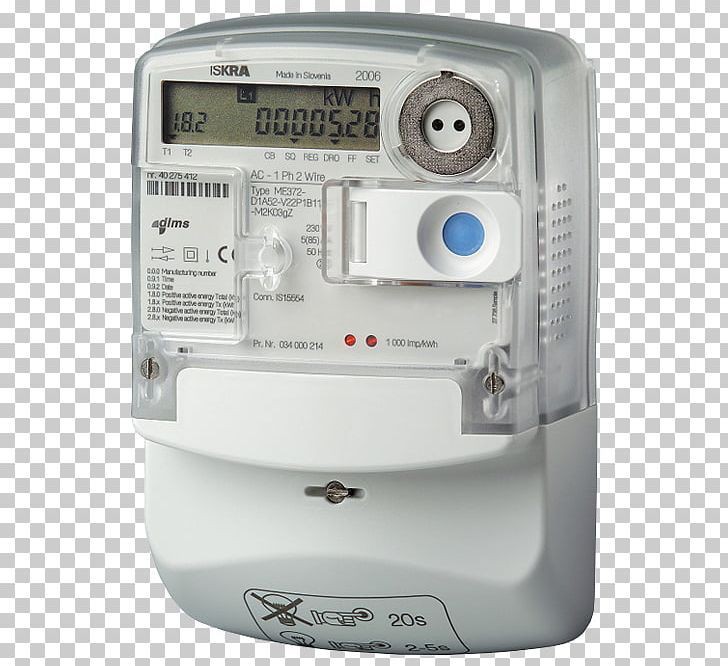
If you have ever stared at your prepaid meter after buying electricity and felt like the units disappeared faster than they should have, you are not imagining things. A lot of Nigerians pay for light every month without actually understanding what the numbers on their meter mean, how to check if they are being billed fairly, or what to do when something looks off. That gap in knowledge is exactly what makes overcharging, whether accidental or deliberate, so easy to get away with.
This guide breaks down how to actually read your meter, prepaid or postpaid, spot the warning signs of overbilling, and know what steps to take when the numbers do not add up.
Prepaid vs Postpaid: Know Which One You Have First
Before anything else, you need to know what type of meter you are dealing with, because the way you check for overcharging is different for each.
A prepaid meter is the one where you buy units in advance, using a token, and the meter counts down as you use electricity. Most of these have a small screen that displays your remaining units in kWh (kilowatt hours). A postpaid meter, on the other hand, simply records how much electricity you have used over a billing cycle, and the DisCo (Distribution Company) sends you a bill afterward based on that reading.
Prepaid meters are generally easier to monitor because you can watch the units drop in real time. Postpaid meters require more discipline, since you are trusting a monthly reading you may never physically see being taken.
How to Read a Prepaid Meter
Most prepaid meters used across Nigeria, whether Ikeja Electric, Eko Electric, Abuja DisCo, or others, display a few key pieces of information if you scroll through the buttons or wait for the screen to cycle:
- Remaining units (kWh): This is the most important number. It tells you how much electricity you have left before the meter cuts off.
- Total units purchased: Some meters show a running record of units bought.
- Meter number: A unique identifier tied to your account, usually 11 to 13 digits.
- Token entry screen: Where you input the 20-digit recharge code after buying units.
To actually monitor your usage properly, note down your remaining units at the same time each day, say every morning. Over a week, you will start to see your average daily consumption. If that number suddenly jumps without any change in how you are using electricity (no new appliances, no extra hours of usage), that is your first sign something might be wrong.
How to Read a Postpaid Meter
Postpaid, or analog, meters display a cumulative reading, usually a series of digits that only increase over time, never resets. To calculate your usage for a billing period, you subtract your previous reading from your current one.
For example, if your meter read 4,820 units last month and reads 5,100 this month, you used 280 units in that period. This is the number your bill should be based on, multiplied by your DisCo's tariff rate for your customer class.
The problem is that most postpaid customers never actually see their meter get read. Many bills are based on estimated consumption instead of an actual physical reading, and that estimate is where a lot of overbilling happens.
The Real Signs You Might Be Overcharged
Here is what to actually watch out for:
- Units finishing faster than your usual pattern with no change in appliance use, weather, or number of people in the house.
- A bill that says "estimated" instead of showing an actual meter reading for postpaid customers. This is one of the biggest red flags, and it is common enough that NERC (Nigerian Electricity Regulatory Commission) has rules specifically addressing it.
- Sudden tariff class changes without notice. Some customers get moved between bands (like Band A to a higher tariff band) without being told, which changes what they pay per unit.
- A token that loads fewer units than the amount you paid for, after accounting for standard deductions like VAT and fixed charges.
- Bills that keep rising steadily every month even though your actual usage pattern (working hours, number of appliances, season) hasn't changed.
Why Your Token Sometimes Loads Fewer Units Than Expected
This one confuses a lot of people and it is worth explaining clearly. When you buy electricity, part of the amount you pay does not convert into units at all. It goes toward VAT, and sometimes a fixed monthly charge or metering charge, depending on your DisCo. So if you pay a certain amount and get fewer units than a straightforward calculation would suggest, it is not always fraud, it is often just how the charges are structured.
The issue is that these deductions are rarely explained clearly on receipts, which makes it hard to tell the difference between a normal deduction and an actual overcharge. If you are ever unsure, request a full breakdown from your DisCo showing exactly how your payment was split between energy cost, VAT, and any fixed charges.
Understanding Estimated Billing (and Why It's a Problem)
Estimated billing happens when a DisCo has no actual meter reading for you, usually because you do not have a meter yet or because no one physically came to read it, and they instead calculate your bill based on assumptions about your consumption. NERC has capacity-based billing regulations meant to cap how estimated bills are calculated for unmetered customers, but in practice, many people still end up with bills that feel arbitrary and disconnected from their real usage.
If your bill is consistently estimated and consistently high, you have the right to formally request a meter, and you have the right to dispute the bill. This is not just a suggestion, it is backed by regulation, and DisCos are required to respond to these disputes within a set timeframe.
How to Dispute an Unfair Electricity Bill
If you genuinely believe you have been overcharged, here is a practical path:
- Gather your evidence first. Keep records of your token purchases, screenshots of your remaining units over time, and copies of your bills. Without this, a dispute is just your word against theirs.
- Report to your DisCo's customer care directly, either at their local office or through their official complaint channels. Ask for a complaint reference number, always.
- Escalate to NERC if unresolved. If your DisCo does not respond within their required timeframe (usually a matter of weeks) or you are unhappy with their resolution, you can escalate the complaint to NERC's Forum Office in your region, or through their consumer complaint channels.
- Ask for a meter if you don't have one. Nigeria's National Mass Metering Programme exists specifically to reduce estimated billing by getting more people onto prepaid meters. If you are still on estimated billing, this is worth pursuing.
Disputes take patience, but they are far more effective when you show up with clear records rather than just a complaint about a "feeling" that something is wrong.
Building the Habit of Checking Your Usage
The single biggest reason overcharging goes unnoticed for months is that most people simply do not track their usage closely enough to notice a pattern break. You do not need a spreadsheet or anything complicated. A simple habit of checking your remaining units at the same time each day, or noting your postpaid meter reading once a week, is often enough to catch a problem early instead of six months later when the damage is already done.
Once you are in that habit, you will also start understanding your own consumption better, which appliances are actually driving your bill up, and where you can realistically cut down without living in the dark.
Keeping Your Bill Payments Organized With ZamoraxPay
One thing that makes it easier to spot overcharging in the first place is having a clean, dated record of every electricity payment you have made, instead of scattered receipts across different apps and bank alerts. With ZamoraxPay, you can pay your electricity bills directly through the platform and automatically keep a running history of every token purchase, the amount paid, and the date, all in one place.
That history becomes useful the moment you need to compare this month's usage to last month's, or when you need proof of payment for a dispute with your DisCo. Instead of digging through old SMS alerts trying to remember when you last recharged, you can pull up your ZamoraxPay transaction history and see the full pattern at a glance. You can also set up recurring bill payments through ZamoraxPay so you are less likely to miss a payment window and end up disconnected, which is its own separate headache entirely.
Reading your meter is one half of protecting yourself from overcharging. Keeping an honest, organized record of what you have paid is the other half, and that is the part ZamoraxPay is built to make effortless.