How Naira Devaluation Affects Your Data and Airtime Costs
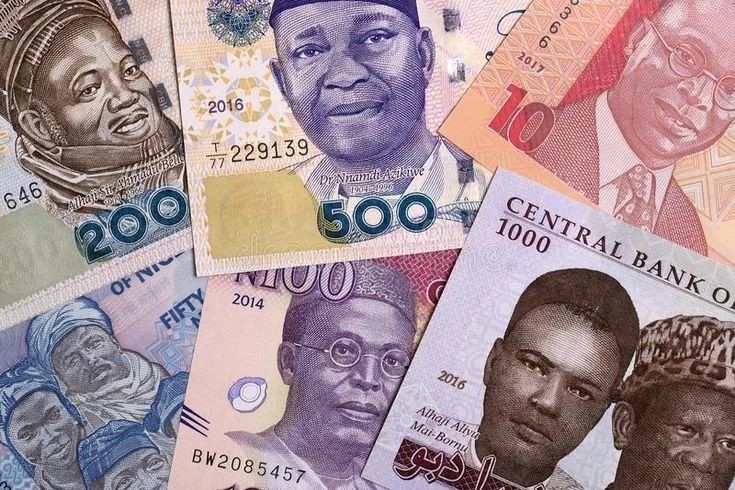
If you've felt like your data and airtime money doesn't stretch as far as it used to, that's not just a feeling. There's a direct, traceable line running from the naira's fall in value to the price you pay for a gigabyte of data or a bundle of airtime, and understanding that connection helps explain why prices moved the way they did, and why they're unlikely to simply reverse.
Why Telecom Costs Are Tied to the Dollar
Running a mobile network in Nigeria depends heavily on equipment, infrastructure, and services priced in foreign currency, even though subscribers pay in naira. Telecom companies import network hardware, lease satellite and fibre capacity, and pay for diesel to power base stations in a country with unreliable electricity, costs that are either directly dollar-denominated or indirectly driven up by a weaker naira through import costs and inflation. When the naira loses value against the dollar, the same imported equipment or service now costs significantly more in naira terms, even if nothing about the underlying dollar price changed.
This mismatch, dollar-based costs against naira-based revenue, is the core reason network operators have pushed so hard for tariff increases over the past few years.
The Numbers Behind the Squeeze
The scale of the impact on operators has been significant. In 2023, Airtel and MTN Nigeria together lost roughly ₦1.29 trillion to naira devaluation. MTN Nigeria posted a loss after tax of ₦137 billion for that financial year, despite service revenue actually growing by over 22%, a clear sign that currency losses, not weak business performance, were eating into profitability. Airtel's revenue over a similar period fell from $1.59 billion to $1.24 billion once naira conversion effects were factored in.
MTN Nigeria's chief executive was direct about the cause, pointing to the combined effects of naira devaluation, general inflation, rising energy costs, and new tax changes on tower leases as the drivers behind higher operating expenses. This wasn't a one-off complaint, telecom operators had been formally requesting a tariff review since at least 2022, when they initially asked for a 40% increase to offset surging diesel prices and other cost pressures.
The 2025 Tariff Hike
After years of pushing, the Nigerian Communications Commission approved a 50% tariff increase in January 2025, the first adjustment of its kind in over a decade. The regulator explained the increase was necessary given that tariffs had remained frozen since 2013, even as operating costs climbed steadily in the years since. Some reports indicate operators had initially proposed an increase as high as 100%, with the approved 50% figure representing a compromise rather than the full amount telecom companies said they needed.
The effect on consumer pricing was immediate and visible. MTN, Nigeria's largest network, tripled the price of its popular 15GB weekly bundle from ₦2,000 to ₦6,000, an increase that on the surface looked larger than the approved 50% cap, prompting some public frustration and questions about whether certain price jumps had exceeded what was authorized. Airtel also raised its data tariffs significantly around the same period. Beyond data, SMS pricing moved as well, rising from ₦4 to ₦6 per message, alongside broader adjustments to voice and internet tariffs across all major operators.
What This Looks Like in Your Monthly Spend
The cumulative effect shows up clearly in how much the average Nigerian subscriber now spends. MTN's monthly average revenue per user rose from $2.17 in 2024 to $3.60 in 2025, which in naira terms meant average monthly spending per subscriber climbed from roughly ₦3,542 to ₦5,184. Across the industry, Airtel Nigeria alone reported revenue of about ₦3.1 trillion from its subscriber base in its financial year ending March 2026, while Globacom and 9mobile combined generated close to ₦2 trillion from airtime and data services over a similar period. Nigerians as a whole are now estimated to spend over $5.6 billion annually on airtime and data.
This rise in spending isn't purely about people using more data, though usage has grown substantially too, total data consumption reached 1.42 million terabytes in March 2026 alone, up from 995,000 terabytes during the same month the year before. Part of that spending increase is simply the higher price per unit of data and airtime following the 2025 tariff adjustment.
Why Prices Aren't Likely to Come Back Down
It's worth understanding why this isn't a temporary spike that will reverse once the naira stabilizes. Telecom infrastructure costs are ongoing and recurring, equipment needs maintenance and eventual replacement, diesel needs to be bought every month to keep towers running, and foreign currency-denominated leases and licensing fees don't disappear. Even if the naira were to strengthen meaningfully, operators have made clear that over a decade of frozen tariffs left them absorbing cost increases that had already accumulated well before the 2023 devaluation, meaning the 2025 hike was as much about catching up as it was about ongoing pressure.
That said, there's some context worth keeping in mind: despite the increases, industry voices have pointed out that Nigerian mobile data remains among the cheapest in the world by some comparisons, suggesting that even post-hike, pricing here is still relatively low compared to many other markets, even if it feels like a steep jump locally.
How Subscribers Can Adjust
Given that tariffs are set by regulatory approval and unlikely to fall, the more practical response is adjusting how you buy and use data and airtime rather than waiting for prices to drop. Buying larger, monthly bundles instead of frequent small top-ups generally gives a better cost per gigabyte, since bigger bundles are priced more efficiently than daily or per-use rates. Watching for and buying during promotional periods, which networks still run despite the higher base tariffs, can meaningfully offset some of the increase. And reducing unnecessary data usage, like disabling auto-play video on social apps or downloading materials over WiFi where available, stretches whatever bundle you do buy further.
Buying Smarter Through a Reliable Platform
With prices higher across the board, getting exact value for every naira spent on airtime and data matters more than ever. Platforms like ZamoraxPay show current pricing clearly before you commit to a purchase, so you're seeing accurate rates in real time rather than working off outdated numbers. For frequent buyers, the reseller tier's wholesale pricing option can also meaningfully offset the higher retail rates that followed the 2025 tariff adjustment, since it reduces the cost per purchase regardless of what the base tariff is doing.
The Bigger Picture
The rise in data and airtime prices over the past couple of years isn't arbitrary or purely profit-driven, it traces directly back to naira devaluation, the resulting foreign currency cost pressures on network operators, and a decade of frozen tariffs finally catching up with reality. Understanding this doesn't make the higher prices easier to swallow, but it does explain why the increases happened, why they're likely to persist, and why buying smarter, bigger bundles, promo timing, wholesale pricing where available, matters more now than it did when tariffs were frozen and predictable.