How Digital Payments Are Changing Everyday Life in Nigeria
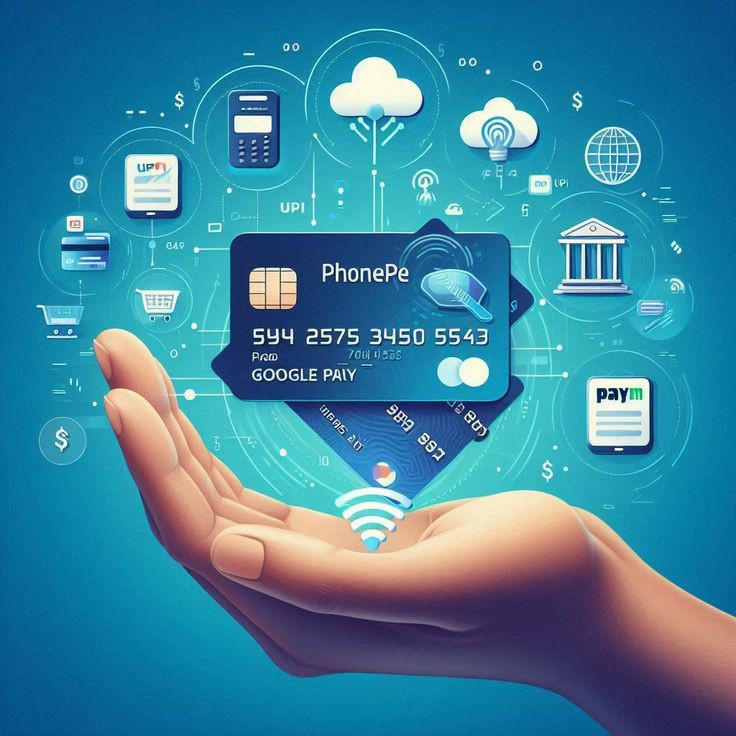
Digital payments are changing the way Nigerians send money, buy goods, pay bills and manage their daily activities. From transferring money to family members to purchasing airtime, paying electricity bills and shopping online, many financial activities that once required physical cash can now be completed using a mobile phone or internet-connected device.
This shift is making financial transactions more convenient for individuals, small businesses and larger organisations. It is also creating new opportunities for digital service providers, online retailers and entrepreneurs who want to participate in Nigeria's growing digital economy.
However, the transition to digital payments also comes with challenges, including transaction failures, fraud risks, network problems and the need for better digital financial education.
Understanding how digital payments are changing everyday life helps explain why they have become an important part of Nigeria's economic and technological development.
What Are Digital Payments?
Digital payments are transactions completed electronically rather than through the physical exchange of cash. They allow money to move between individuals, businesses and financial institutions through electronic systems.
Common examples in Nigeria include bank transfers, USSD payments, debit card transactions, mobile banking, internet banking, digital wallets and payments made through online platforms.
For example, someone purchasing food from a local vendor may transfer money directly from a bank account. A student may pay for an online course using a debit card, while a small business owner may receive customer payments through a payment platform.
Although these methods differ in how they operate, they share a common purpose: making financial transactions possible through electronic channels.
Making Everyday Transactions More Convenient
One of the most noticeable effects of digital payments is the convenience they offer. People can complete many transactions without travelling to a bank or searching for an automated teller machine.
Consider someone who needs to pay an electricity bill after returning home from work. Instead of travelling to a payment office, the person may be able to complete the transaction using a banking application or an authorised digital payment service.
Similarly, customers can purchase airtime, renew subscriptions, pay for online services and send money to relatives without handling physical cash.
This convenience can save time and reduce the effort required to complete routine financial activities. It is especially useful for people who live far from financial service locations or have busy daily schedules.
Changing How Nigerians Send and Receive Money
Money transfers are among the digital financial activities that have become familiar to many Nigerians.
People regularly send money to family members, contribute to group expenses, pay suppliers and settle personal debts. Electronic transfers can make these activities easier by allowing money to move between accounts without the physical delivery of cash.
For example, a parent can send money to a child studying in another city, while a business owner can pay a supplier without travelling to the supplier's location.
Digital transfers can also simplify financial coordination among friends, families and community groups.
However, users should always verify recipient details before confirming a transfer. Sending money to an incorrect account can create difficulties, and recovery is not always guaranteed.
Helping Small Businesses Accept Payments
Digital payments are creating new opportunities for small businesses across Nigeria.
Retailers, food vendors, online sellers, freelancers and service providers can receive electronic payments without relying exclusively on cash. Depending on the available service, they may accept bank transfers, payment links, cards or other electronic payment methods.
This flexibility can make it easier to serve customers who do not carry sufficient cash or prefer to pay electronically.
Digital transaction records can also help business owners track sales, review payment history and organise their financial activities.
For example, a small online clothing business may use electronic payments to receive orders from customers in different states. The business can then use transaction records to reconcile payments and manage its orders more efficiently.
Nevertheless, merchants should verify that funds have actually been received rather than relying solely on screenshots or messages provided by customers.
Supporting the Growth of Online Shopping
Online shopping depends heavily on reliable digital payment methods. Customers need practical ways to pay for products purchased through websites, social media stores and online marketplaces.
Digital payments help connect online sellers with customers who may be located in different cities or regions.
A customer in Lagos, for example, may purchase an item from a seller in another part of Nigeria without meeting the seller in person. The customer can make an electronic payment, while the seller arranges delivery through an appropriate logistics service.
This arrangement allows businesses to reach a wider market and gives consumers access to products beyond their immediate neighbourhoods.
However, online shoppers should verify sellers, review payment terms and use appropriate buyer protection measures where available. A successful transfer does not automatically guarantee that an order will be delivered.
Making Bill Payments Easier
Paying routine bills is another area where digital payments have changed everyday life.
Depending on the provider and service available, people may be able to pay for electricity, internet subscriptions, television subscriptions and other utilities electronically.
This can reduce the need to visit physical payment centres and make it easier to complete transactions outside conventional business hours.
Digital bill payments can also provide transaction references or electronic receipts that customers can retain as evidence of payment.
Customers should still confirm that they have selected the correct provider, account or meter details before completing a transaction. They should also retain the transaction reference until the payment has been confirmed by the relevant service provider.
Making Airtime and Data More Accessible
Mobile communication is essential for many Nigerians, including students, professionals, entrepreneurs and families who rely on internet access for everyday activities.
Digital payment platforms make it possible to purchase airtime and mobile data through banking applications, USSD services and other authorised channels.
This means a customer can top up a phone or purchase a data bundle without visiting a physical vendor.
For students, mobile data can support online learning and research. For business owners, it can help maintain communication with customers. For families, it can make it easier to stay in contact with relatives in different locations.
As digital services become more integrated into everyday life, convenient access to airtime and data becomes increasingly important.
Creating Opportunities for Digital Entrepreneurs
The growth of digital payments has created opportunities for entrepreneurs who provide technology-based services.
Businesses can build services around payment processing, online retail, bill payments, digital subscriptions, software, logistics and other areas that depend on electronic transactions.
VTU reselling is one example. Entrepreneurs can sell airtime and data to customers through digital channels without operating a traditional telecommunications outlet.
Other entrepreneurs may build online marketplaces, develop business management tools or provide digital services to small businesses.
These opportunities can lower some of the barriers associated with starting a business, although entrepreneurs still need to consider supplier reliability, operating costs, customer acquisition, security and regulatory requirements.
Changing How Young Nigerians Manage Money
Digital payments are also influencing how young people interact with money.
Students and young professionals can use banking applications and electronic transaction records to review spending, transfer funds and manage payments.
Some financial applications provide transaction histories, spending summaries or budgeting tools that help users understand their financial habits.
These features can support better financial awareness when users review them regularly.
However, the convenience of electronic payments can also make spending feel less tangible than handing over physical cash. Because a transaction may take only a few seconds, it can be easy to make frequent purchases without considering their combined cost.
Young consumers can benefit from setting spending limits, reviewing account activity and distinguishing essential expenses from discretionary purchases.
Digital Payments and Financial Inclusion
Financial inclusion refers to the ability of individuals and businesses to access and use appropriate financial services.
Digital payment systems can contribute to financial inclusion by providing additional ways to transfer money, make payments and interact with financial institutions.
For people who can access a suitable mobile phone, network connection and financial service, electronic payments may reduce the need to travel to a physical branch for certain transactions.
Digital transaction histories may also help individuals and businesses maintain more organised records of their financial activities.
However, access to digital payments is not equal for everyone. Some people face barriers such as limited internet access, unreliable electricity, insufficient digital skills, identification requirements or the cost of devices and data.
Expanding digital payments therefore requires more than creating applications. It also requires accessible services, consumer education, reliable infrastructure and support for people who have difficulty using digital systems.
The Role of USSD in Digital Payments
Not every digital transaction requires a smartphone or mobile application.
USSD services allow users to access certain financial functions through short codes on compatible mobile phones. Depending on the financial institution and service, these functions may include transfers, balance enquiries and other basic transactions.
This can be useful for people who have limited internet access or prefer not to use a banking application for every transaction.
However, USSD services may still depend on mobile network availability and the specific requirements of the financial institution. Users should follow their provider's official instructions and keep their authentication details private.
Improving Financial Record-Keeping
Digital payments can make it easier for individuals and businesses to maintain financial records.
Electronic transactions may produce receipts, reference numbers, timestamps and account statements that help users review their activities.
For individuals, these records can support budgeting and help identify transactions they do not recognise.
For businesses, transaction histories can assist with sales reconciliation, bookkeeping and reviewing payments received from customers.
Digital records do not eliminate the need for proper accounting. Businesses still need to reconcile transactions, document expenses and distinguish revenue from profit.
Nevertheless, well-organised electronic records can make these activities more manageable.
Why Transaction Reliability Matters
Although digital payments offer many benefits, they do not always work perfectly.
Customers may occasionally experience delayed transfers, failed transactions, unavailable services or situations in which an account is debited before the intended recipient receives the money.
Such experiences can be stressful, particularly when the payment is needed for an urgent expense.
Financial institutions and payment service providers therefore need reliable systems, effective monitoring and clear processes for handling transaction disputes.
Customers can also protect themselves by checking transaction details before confirming payments, keeping receipts and contacting the appropriate provider through official support channels when a problem occurs.
If a transaction appears pending, it is wise to verify its status before attempting another payment. Repeating the transaction immediately could result in duplicate payments.
Understanding the Risks of Digital Payments
The convenience of digital payments comes with responsibilities. Criminals may attempt to exploit users through phishing messages, fake payment confirmations, fraudulent websites and impersonation.
Some scams involve messages claiming that an account will be blocked unless the recipient takes immediate action. Others involve people pretending to be customer support representatives and asking for confidential information.
Users should never disclose their banking PIN, password or one-time password to someone who contacts them unexpectedly.
It is also important to download financial applications from trusted sources, use strong authentication methods and protect mobile devices against unauthorised access.
Businesses should train employees to verify payments and avoid releasing goods or services solely on the basis of screenshots or unverified notifications.
Why Digital Payment Security Matters to Businesses
Businesses that accept electronic payments must consider both customer convenience and transaction security.
They need clear procedures for confirming incoming payments, protecting account access and handling customer disputes.
Online businesses should use reputable payment providers and ensure that payment processes are appropriate for the services they offer.
They should also avoid collecting sensitive customer information unnecessarily and protect the information they legitimately need to retain.
A business that treats security seriously can reduce avoidable risks and help build customer confidence.
Digital Payments and the Cost of Doing Business
Digital payments can reduce certain costs associated with handling and transporting physical cash. They may also help businesses receive payments from customers who are not physically present.
However, electronic transactions can involve transfer charges, payment processing fees, platform fees and other operating expenses.
Small businesses should understand these costs when deciding which payment methods to accept.
For example, a business with a small profit margin needs to account for transaction fees when setting prices and calculating its profitability.
Digital payments may improve convenience, but businesses still need sound financial planning to ensure that the benefits outweigh the costs.
How Digital Payments Are Changing Customer Expectations
As customers become more familiar with electronic payments, their expectations can change.
People may increasingly expect quick confirmation, clear transaction records, convenient payment options and accessible customer support.
They may also prefer businesses that provide several payment methods rather than requiring every customer to use the same channel.
For digital platforms, this creates an ongoing responsibility to improve usability, reliability and transparency.
Customers should be able to understand what they are paying for, confirm the amount before authorising a transaction and obtain useful information when something goes wrong.
The Importance of Digital Financial Education
Access to digital payment services is most useful when people understand how to use them safely and responsibly.
Digital financial education can help consumers recognise fraud, manage transaction costs, protect their credentials and understand their rights when a payment problem occurs.
It can also help small business owners distinguish between sales revenue, operating expenses and actual profit.
Schools, financial institutions, technology companies and community organisations can all contribute to improving digital financial awareness.
As more everyday activities move online, the ability to navigate financial technology safely becomes an increasingly useful life skill.
What the Future May Hold for Digital Payments in Nigeria
Digital payment services are likely to continue evolving as technology, customer expectations and business needs change.
Potential developments include improved payment interfaces, more integrated online services, better transaction monitoring and additional tools for merchants and consumers.
Businesses may also continue exploring ways to connect payments with inventory management, accounting, customer service and online commerce.
However, the future of digital payments will depend on several factors, including infrastructure, affordability, security, regulation and public confidence.
Continued progress will require cooperation among financial institutions, technology providers, businesses, regulators and consumers.
Final Thoughts
Digital payments are changing everyday life in Nigeria by making it easier to send money, pay bills, purchase mobile data, shop online and conduct business.
They are creating opportunities for entrepreneurs, supporting electronic record-keeping and giving consumers more ways to complete financial transactions.
At the same time, digital payments require users to understand security risks, verify transactions carefully and manage their spending responsibly.
For businesses, success depends on choosing appropriate payment methods, controlling transaction costs and maintaining reliable processes. For consumers, it involves protecting personal information and understanding how electronic transactions work.
The move towards a more digitally connected economy is not simply about replacing physical cash with electronic transfers. It is about making financial services more convenient, accessible and dependable for everyday use.
As Nigeria's digital economy continues to develop, digital payments will remain an important part of how people communicate value, serve customers and participate in modern commerce.