A Beginner's Guide to Budgeting With the 50/30/20 Rule in Naira
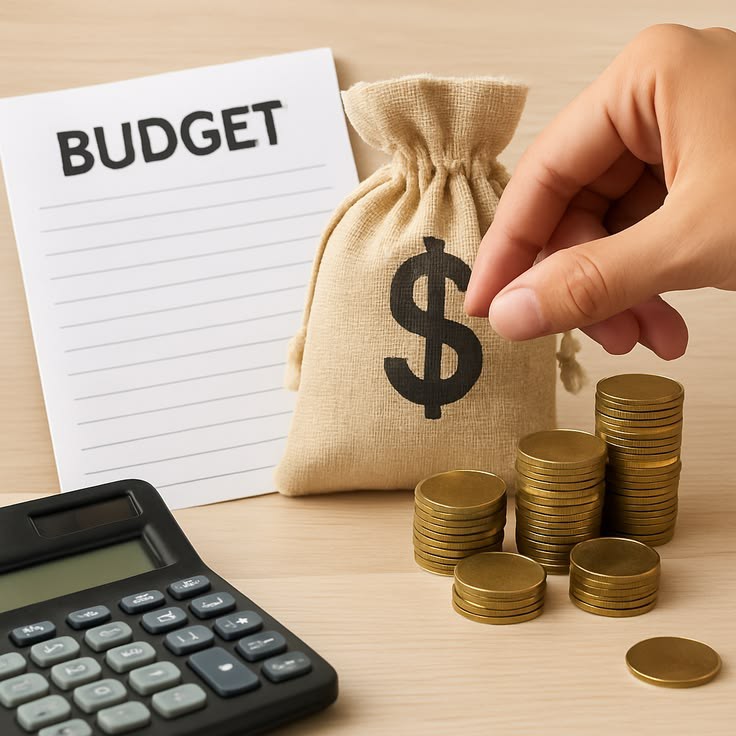
Budgeting advice online is often built around dollars, fixed monthly paychecks, and financial habits that don't quite map onto how money actually moves for a lot of Nigerians. The 50/30/20 rule is one of the more flexible frameworks out there though, and with a few adjustments for local realities, it works well as a starting point even if your income isn't perfectly steady or your major costs look different from the examples in most budgeting articles.
What the 50/30/20 Rule Actually Says
The rule is simple in structure: 50% of your income goes toward needs, the things you genuinely have to pay for to keep your life running. 30% goes toward wants, everything that makes life more enjoyable but isn't strictly necessary. And 20% goes toward savings and debt repayment, building your financial future and reducing whatever you owe. The appeal is that it's easy to remember and gives you three clear buckets to sort your spending into, rather than a complicated spreadsheet with dozens of categories.
The tricky part, especially in Nigeria, is that the line between "need" and "want" isn't always obvious, and the percentages themselves might need adjusting depending on your actual cost of living. This guide walks through how to apply the framework practically, with naira examples, rather than just repeating the abstract rule.
Step One: Know Your Actual Take-Home Income
Before splitting anything, you need a clear number to split. If you're salaried, this is usually straightforward, your monthly take-home pay after tax and pension deductions. If your income is irregular, freelance work, commission, a small business, or seasonal earnings, use your average monthly income over the last six to twelve months rather than your best or worst month, since that gives a more realistic baseline to budget against.
For example, if your take-home income averages ₦250,000 a month, the 50/30/20 split would look like ₦125,000 for needs, ₦75,000 for wants, and ₦50,000 for savings and debt repayment. These numbers aren't fixed rules you must follow exactly, they're a starting reference point to measure your actual spending against.
The 50%: Needs
This bucket covers everything you genuinely can't function without. Rent or mortgage payments, electricity and other utility bills, transportation to work, groceries and basic food, data and airtime, since staying connected is now essentially a non-negotiable cost for work and daily life, minimum debt payments, and any recurring bill tied to keeping your household running.
Using the ₦250,000 example, a needs breakdown might look like ₦60,000 for rent or housing contribution, ₦20,000 for electricity and utilities, ₦25,000 for transport, ₦15,000 for groceries and basic food, ₦5,000 for data and airtime, with the remainder going toward any other unavoidable recurring costs. If your needs regularly exceed 50% of your income, and for many people in Nigeria's current cost-of-living environment, they genuinely do, that's a signal either to look for ways to reduce specific costs or to adjust the framework's percentages to better fit your reality, which we'll get to.
The 30%: Wants
This bucket covers everything that improves your quality of life without being strictly essential. Eating out, streaming subscriptions, new clothes beyond the basics, entertainment, social outings, upgraded phone data for streaming and leisure beyond your baseline plan, and general discretionary spending all fall here.
In the ₦250,000 example, that's ₦75,000 for the month across everything you enjoy but don't strictly need. This bucket is often where the most flexibility lives, when money is tight in a given month, this is the first place to trim, since needs and savings both matter more for stability.
The 20%: Savings and Debt Repayment
This bucket covers building your financial future, an emergency fund, longer-term savings goals, investments, and paying down any debt beyond the required minimum. In the ₦250,000 example, that's ₦50,000 a month directed toward these goals.
If you're currently carrying high-interest debt, credit card balances or informal high-interest loans, it often makes sense to weight more of this 20% toward paying that down aggressively before building up savings elsewhere, since the interest you're paying on debt usually costs you more than what you'd earn saving the same amount. Once high-interest debt is cleared, redirect that portion fully toward savings and investment instead.
Adjusting the Percentages for Nigerian Realities
The strict 50/30/20 split was developed with a different cost-of-living structure in mind, and it's genuinely common in Nigeria's current economic environment for needs alone to eat up 60%, 70%, or even more of take-home income, particularly for lower and middle-income earners facing rent, transport, and food costs that have all risen sharply in recent years.
If your needs consistently exceed 50%, don't treat this as a personal failure, treat it as a signal to adjust the framework rather than abandon it entirely. A more realistic starting split for many Nigerian households right now might look closer to 60% needs, 20% wants, and 20% savings, or even 65/15/20 for those in higher cost-of-living areas like Lagos or Abuja. The core principle, that you're deliberately allocating every naira into needs, wants, and future-focused savings, matters more than hitting the exact 50/30/20 numbers.
How to Actually Track This Without a Spreadsheet
You don't need complicated software to apply this rule, though a simple notes app, spreadsheet, or budgeting app can help if you prefer structure. At minimum, write down your total income for the month, then log every expense as it happens, categorizing each one as a need, a want, or savings/debt repayment as you go. At the end of the month, add up each category and compare it against your target percentages.
Checking your transaction history on the apps and platforms you already use for daily spending, your bank app, mobile money wallet, or a platform like ZamoraxPay where you buy data, airtime, and pay bills, makes this easier, since the record of what you actually spent is already there rather than something you need to remember or reconstruct from memory.
What to Do When the Numbers Don't Add Up
If you total everything up and find your needs and wants together consume all of your income with nothing left for savings, don't panic, and don't ignore it either. Start by looking hard at the wants category first, that's the most flexible bucket and usually has room to trim without affecting your basic stability. Look for recurring subscriptions you're not using much, entertainment spending that's crept up gradually, or small daily purchases that add up more than they feel like they should.
If trimming wants still doesn't free up enough room for any savings at all, look at your needs category next for costs that might have cheaper alternatives without sacrificing the underlying need itself, buying data and airtime in bulk monthly bundles instead of smaller frequent top-ups, for instance, often reduces the same cost by a meaningful margin without changing how much you're actually using.
Starting Small Is Still Starting
If your current budget genuinely can't stretch to a full 20% for savings, start with whatever percentage you can manage, even 5% or 10%, and build from there as your income grows or your needs and wants get trimmed further. The habit of consistently setting something aside every month matters more at the start than hitting the textbook 20% target immediately. As your income increases over time, direct a larger share of any increase toward the savings bucket rather than letting your wants category simply expand to match, which is one of the most common ways people's savings rate stays flat even as their income rises.
Revisit the Split Regularly
Your budget isn't something to set once and forget. Revisit your actual spending against your target percentages every month or two, and adjust as your circumstances change, a rent increase, a new job, a change in family responsibilities, or simply a clearer picture of where your money has actually been going once you've tracked it for a few months. The 50/30/20 rule, or whatever adjusted version fits your reality, works best as an ongoing habit of checking in, not a one-time calculation you do once and never revisit.
The Bottom Line
The 50/30/20 rule gives you a simple, memorable starting structure for managing your naira income, but it's meant to be adapted to your actual circumstances, not followed rigidly regardless of what your real cost of living looks like. Track your income and spending honestly, adjust the percentages to fit Nigeria's current cost pressures where needed, and treat consistent saving, even in small amounts, as more important than hitting an exact target from day one. The framework is a tool for building a habit of intentional money management, and that habit is what actually changes your financial position over time.