The Real Cost of Using Multiple Apps for Airtime, Data, and Bills
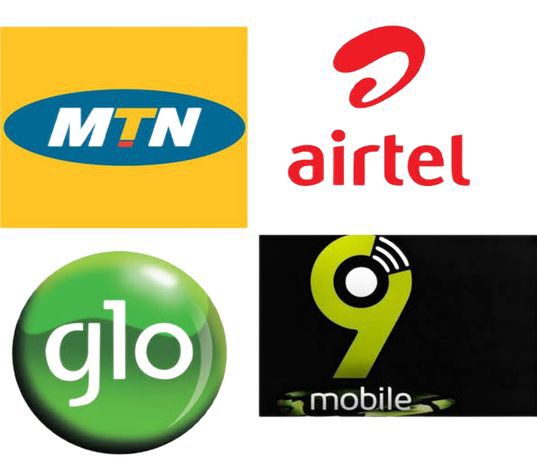
Open your phone right now and count how many apps you have installed just to keep your basic life running. One for airtime. Another for data bundles. A separate one for your electricity token because your first app "doesn't support" your disco. Maybe a fourth for cable TV subscriptions, and a fifth you downloaded once for an exam PIN and never opened again.
If that sounds familiar, you are not alone, and you are not disorganized. This is simply how bill payments evolved in Nigeria. Different apps got good at different things, marketing pushed people toward whichever one had the best offer that week, and over time everyone ended up with a phone full of single purpose apps that all do roughly the same job in slightly different ways.
The problem is that this habit is quietly expensive. Not in one dramatic way, but in a dozen small ways that add up faster than most people realize.
The fees you don't see coming
Every wallet you fund carries a cost, even when the app itself doesn't call it a fee. Some platforms charge a small percentage on card funding. Others add a flat charge on bank transfers above a certain amount. If you spread your funding across four or five apps because each one is "better" for a specific service, you are paying that funding cost four or five times instead of once.
Then there is the float problem. Float is the money sitting in a wallet that you are not actively using at that moment. If you keep ₦2,000 in one app for airtime, ₦3,000 in another for data, and ₦1,500 in a third for electricity, that is ₦6,500 doing nothing. It's not earning you anything, it's not available to you as a lump sum if you suddenly need a bigger payment to go through, and if any one of those platforms has a bad week, your money is stuck in pieces across multiple places instead of sitting safely in one.
The time cost nobody puts a price on
Time is the cost people underestimate the most. Switching between apps sounds trivial until you actually track how often you do it in a month. Opening one app to check your data balance, closing it, opening another to pay a cable subscription, remembering a login for a third app you haven't used in six weeks, resetting a forgotten PIN, waiting for an OTP that takes forever to arrive.
None of these individually feels like a big deal. But multiply that friction by every single bill you pay in a month, and you start to see how much mental energy goes into something that should be simple.
There's also the cost of forgetting. When your bills are scattered across different apps, it becomes genuinely harder to keep track of what's due and when. A cable subscription lapses because you forgot which app you used for it last time. An electricity token runs out at night because you didn't check the app where you usually top up. These moments of "I meant to do this and forgot" are a direct result of fragmentation, not carelessness.
Failed transactions hit harder when they're scattered
Every VTU or bills platform occasionally has a bad transaction. A network delay, a provider outage, a data bundle that doesn't deliver. This is normal in the industry and not unique to any one app. What matters is how quickly it gets resolved.
When your transaction history is split across five different apps, tracking a failed payment becomes its own project. You have to remember which app you used, dig through that app's specific support channel, and start the conversation from scratch. If you consolidate your bill payments into one platform, your entire transaction history lives in one place. Support can see your full pattern of usage, resolve issues faster, and you're not stuck guessing which app to even complain to.
Rewards and cashback don't stack the way people think
A lot of people spread their spending across multiple apps because each one runs its own promotions, thinking they're maximizing value by catching every deal. In practice, this usually works against you. Most reward systems, cashback programs, streaks, and referral bonuses are built around consistent activity on a single platform. Spreading ₦20,000 in monthly spending across four apps means you never hit the thresholds that unlock better rewards on any single one of them.
If that same ₦20,000 moved through one platform, you would likely accumulate more cashback, build a longer streak, and unlock referral or loyalty benefits that only show up once you cross certain usage levels. Fragmentation doesn't just cost you fees and time, it also quietly caps how much value you can earn back.
Security gets harder to manage, not easier
Every additional app is another login, another transaction PIN, another set of security questions, another place your card details or bank information is stored. People assume that spreading their financial activity across many apps reduces risk, as if it's safer to not have "all your eggs in one basket." In reality, it usually increases your exposure. More apps means more places where a data breach, a phishing attempt, or a simple forgotten password can create a problem. It also means you're less likely to notice unusual activity, because you're not checking any single app closely enough to spot when something looks off.
A single, well secured platform that you check regularly is easier to monitor than five apps you only open occasionally.
What consolidation actually looks like in practice
None of this is an argument for blind loyalty to one platform regardless of quality. It's an argument for being intentional. If one platform can reliably handle your airtime, data, cable, electricity, exam PINs, and even betting wallet funding from a single balance, there is a real financial and practical case for using it as your default instead of splitting everything up.
The ideal setup looks like this: one wallet, funded once, used across every recurring bill you have. One transaction history you can actually scroll through and make sense of. One login, one PIN, one place to check when something goes wrong. One rewards program that actually has enough of your activity flowing through it to be worth something.
This is exactly the gap platforms like ZamoraxPay are built to close. Instead of maintaining separate relationships with five different single purpose apps, everything routes through one wallet: airtime, data, cable TV, electricity, exam PINs, and betting wallet funding, all from one balance, with one transaction history behind it.
The small habit that saves you the most
If you take nothing else from this, take this one habit. Before your next bill payment, pause and ask yourself whether you actually need a new app for it, or whether the platform you already trust can handle it. Most of the time, the answer is that it can. The instinct to download a new app for every new need is what got most people into this fragmented mess in the first place, and it's a habit that's easy to break once you notice it.
Consolidating your bill payments isn't about being loyal to one brand for the sake of it. It's about recognizing that every extra app you maintain has a real cost attached to it, even when that cost doesn't show up as a single visible charge. Fewer apps means fewer fees, less wasted time, fewer forgotten payments, better rewards, and an easier time keeping your financial life secure.
Your phone doesn't need six apps to keep the lights on and your data running. It needs one that actually works.